Event details
2nd meeting of subcommittee on women in trade
VIRTUAL 2025
Location
Date & Time
21 - 22 October, 2025
ECOWAS HOLDS SECOND MEETING OF SUBCOMMITTEE ON WOMEN IN TRADE TO STRENGTHEN THEIR PARTICIPATION IN CROSS-BORDER TRADE IN WEST AFRICA
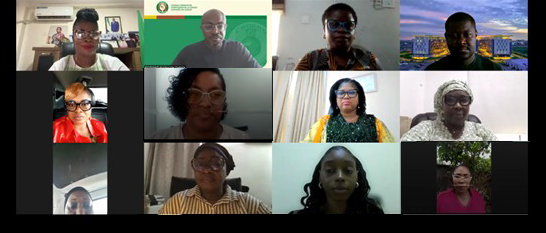
The Economic Community of West African States (ECOWAS) Commission, through the Regional Trade Facilitation Committee (RTFC), held the second meeting of the Sub-Committee on Women in Trade virtually on the 21st and 22nd of October 2025. The meeting aimed to review the implementation of the Subcommittee's three-year work plan and strengthen women's participation in cross-border trade in the West African region.
In her opening remarks, the Honourable Dr Isata Mahoi, Minister of Gender and Children's Affairs of the Republic of Sierra Leone, highlighted the essential role of women, whether formal or informal traders, in West African economies. She nevertheless pointed out that they continue to face systemic barriers such as limited access to finance, markets and decision-making. The Minister commended ECOWAS for its Gender and Trade Action Plan, stressing the need to go beyond infrastructure to include capacity building, digital inclusion and targeted support for women-led businesses.
Highlighting Sierra Leone's leadership, she presented the national reforms implemented under the National Policy on Gender Equality and Women's Empowerment (2020) and the National Medium-Term Development Plan (2024–2030). These policies give particular priority to women's economic participation, their integration into value chains and the promotion of gender-responsive investments. She reaffirmed Sierra Leone's commitment to regional and international frameworks, including the ECOWAS Gender and Trade Action Plan, the AfCFTA Protocol on Women and Youth in Trade, and international conventions such as CEDAW and Sustainable Development Goal (SDG) 5. Dr Mahoi finally urged ECOWAS Member States and partners to translate dialogue into concrete actions so that women traders, particularly those in rural areas and the informal sector, are fully integrated into the regional trade ecosystem.
Speaking on behalf of the Honourable Dr Kalilou Sylla, ECOWAS Commissioner for Economic Affairs and Agriculture, and Professor Fatou Sow Sarr, Commissioner for Human Development and Social Affairs, Mr Kolawole Sofola, Director of Trade, reaffirmed ECOWAS' commitment to promoting inclusive and gender-responsive trade facilitation across the region. He recalled that the Regional Trade Facilitation Committee (RTFC) is an essential platform for ensuring that the free movement of goods benefits men and women equally. He also highlighted that the Sub-Committee on Women in Trade was established to encourage women's participation in cross-border trade through structural reforms, targeted interventions and gender-sensitive policies, in line with Pillar V of ECOWAS Vision 2050, which promotes inclusion and equitable development.
Mr Sofola welcomed the achievements of the Subcommittee's first meeting, in particular the development of a three-year work plan aimed at addressing the major challenges faced by women traders, such as the lack of adequate border infrastructure, the complexity of customs procedures and a lack of knowledge of regional trade rules. He urged delegates to work towards integrating this plan into national reform programmes and to ensure sufficient budgetary support.
Over two days, experts from member states representing ministries of trade and women's affairs reviewed activities carried out under the three-year work plan, including the third edition of the awareness campaign for small cross-border traders along the Abidjan-Lagos corridor, the ECOWAS-ECOBANK empowerment programme, and digital skills training for rural women.
The meeting also provided an opportunity to review the activities of other regional partners in order to avoid duplication, capitalise on good practices and strengthen synergies.
At the end of the meeting, several recommendations were made, including strengthening advocacy among policymakers for better allocation of resources to programmes dedicated to the economic empowerment of women traders, including those in rural areas. Participants also recommended promoting women's participation in border governance in order to combat harassment and gender-based violence at borders. Finally, Member States called on the ECOWAS Commission to extend existing programmes to all countries in the region in order to ensure greater participation by women in economic development and regional integration.
Report:
Organized by
Location
Past events
| Event Picture | Event Date | Theme | Meeting Host |
|---|---|---|---|
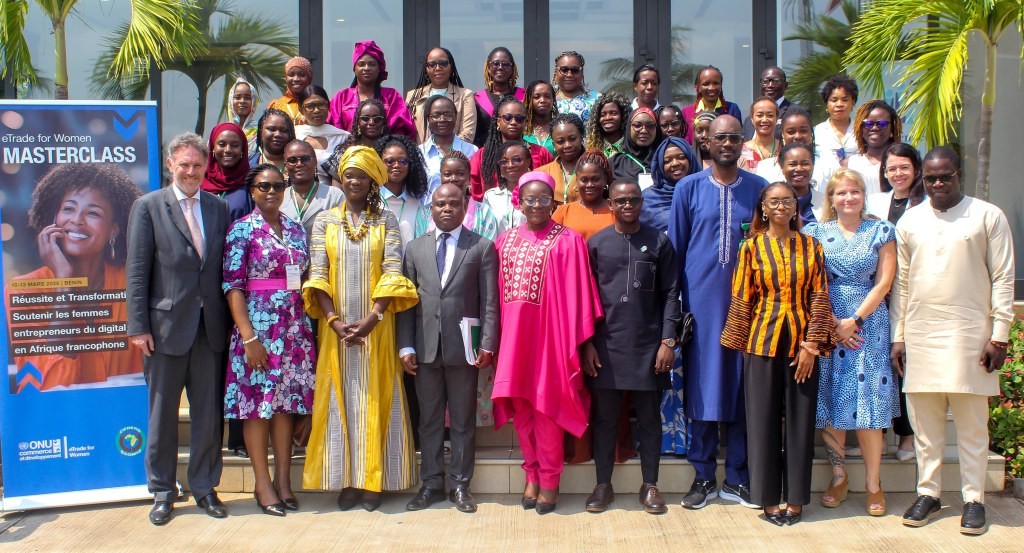 | 10 - 13 March, 2026 | ECOWAS & UNCTAD Support Women Entrepreneurs to Leverage Digital Skills for Business Growth | Benin |
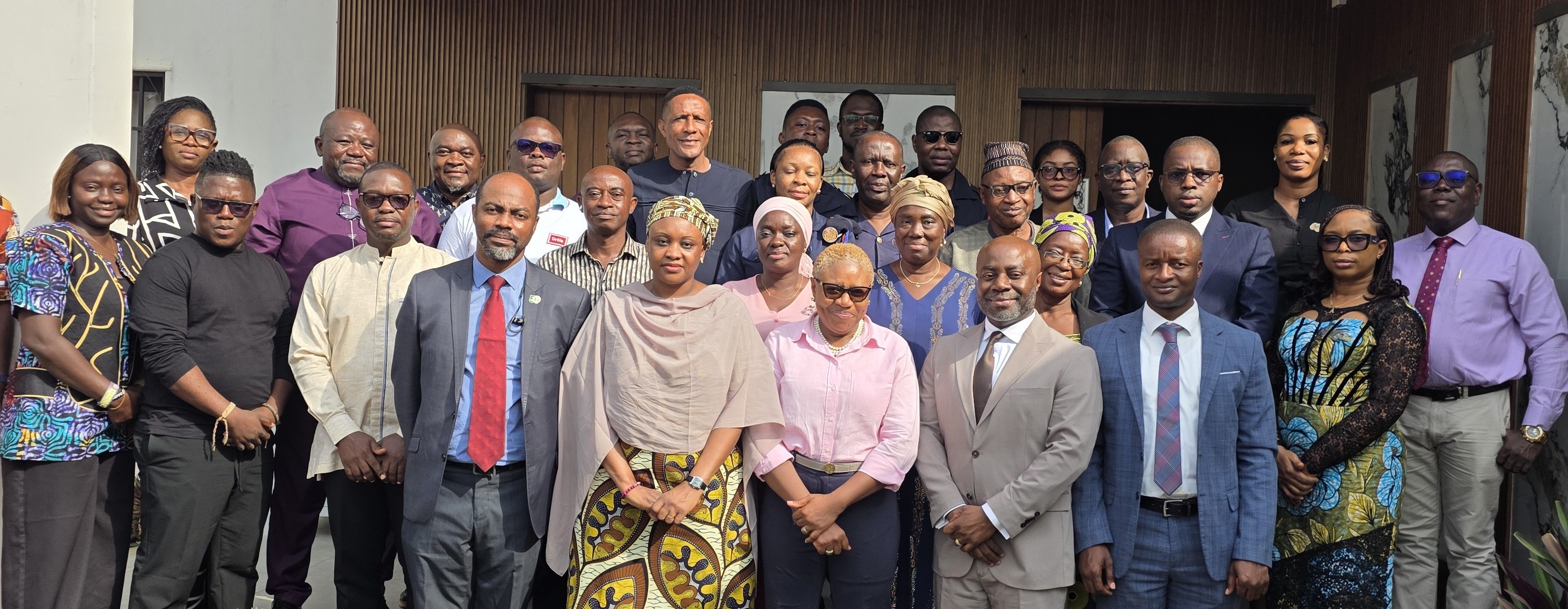 | 09 - 13 March, 2026 | ECOWAS is Strengthening the Capacity of National Bodies Responsible for Cross-Border Trade and National Tax Administration in Sierra Leone | Sierra Leone |
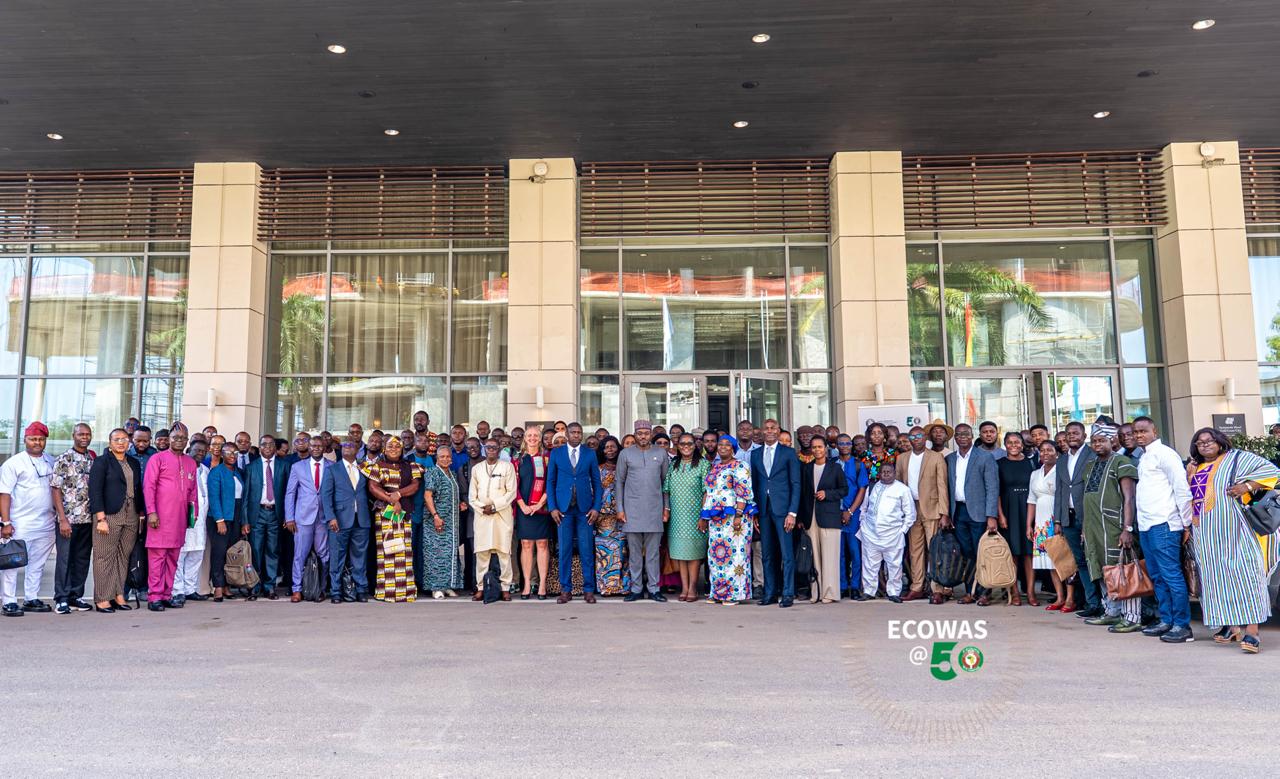 | 18 - 20 November, 2025 | ECOWAS hosts EAC peer learning to strengthen trade systems along the Abidjan–Lagos Corridor | Accra |
| 21 - 22 October, 2025 | 2nd meeting of subcommittee on women in trade |
About ECOWAS
The Heads of State and Government of fifteen West African Countries established the Economic Community of West African States (ECOWAS) when they signed the ECOWAS Treaty on the 28th of May 1975 in Lagos, Nigeria.
Learn moreContact Us
www.ecowas.int