ECOWAS Trade & Investment Forum and Exhibition
ECOTIFE
ECOWAS Trade & Investment Forum and Exhibition
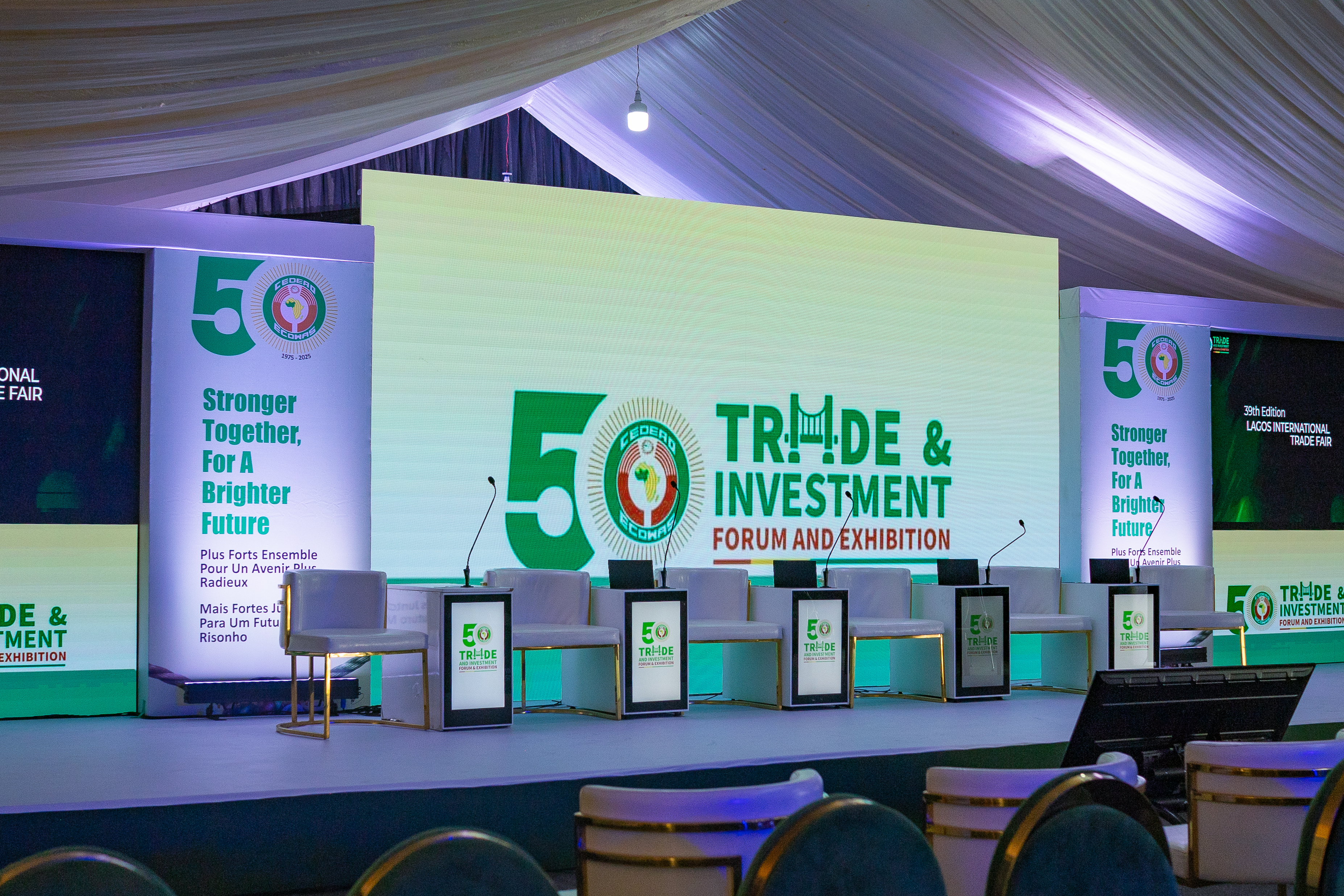
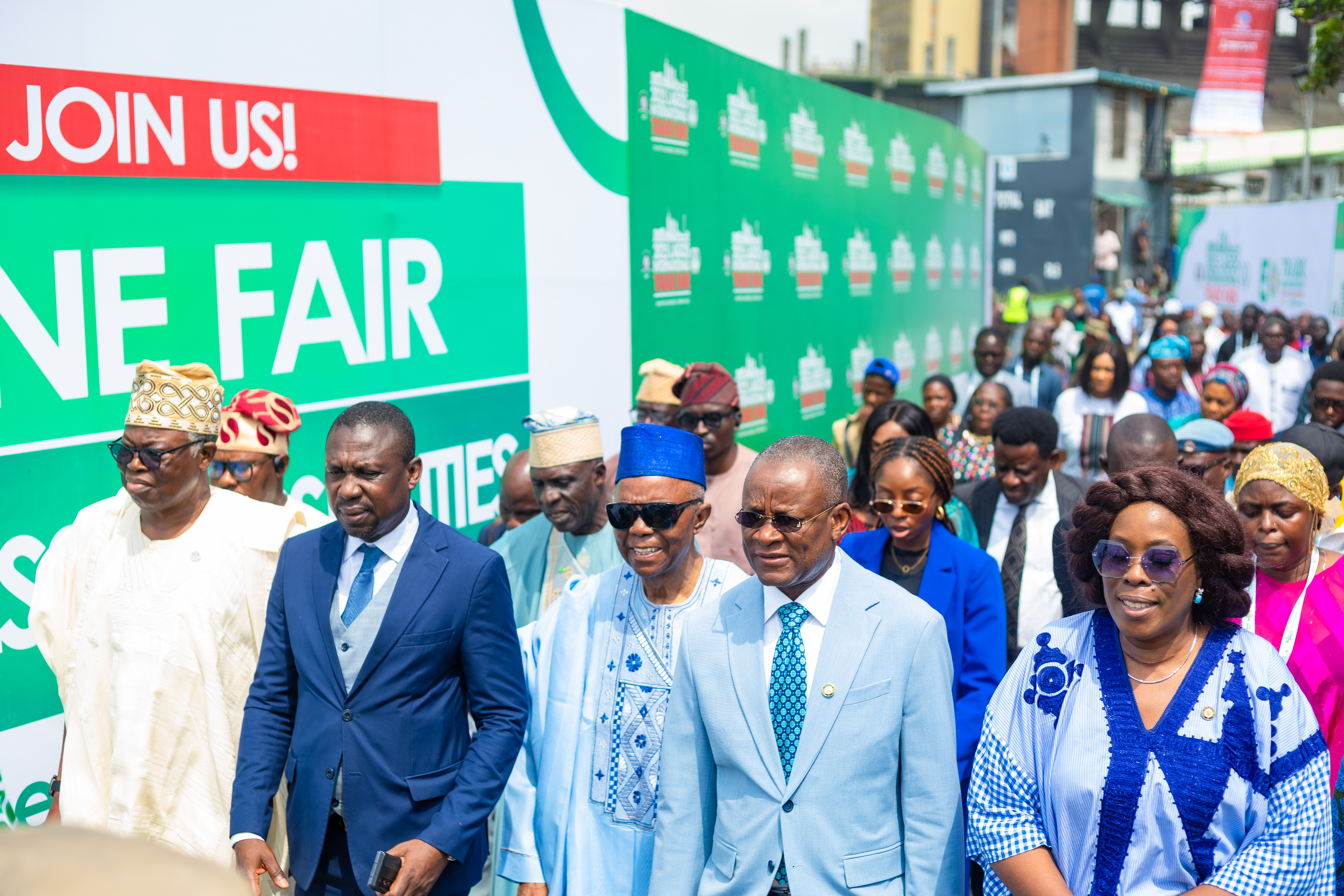
As West Africa marks 50 years of integration and shared progress, the Economic Community of West African States (ECOWAS) reafirmed its leadership in promoting regional trade, innovation, and sustainable investment through the ECOWAS Trade and Investment Forum & Exhibition (ECOTIFE) a flagship initiativeat the 2025 Lagos International Trade Fair (LITF), which took place from 7th–16th November 2025. Over the seven days, the ECOWAS Pavilion welcomed more than 5,000 visitors including Exhibitors, private-sector representatives, Development Partners, Students, and members of the general public.
The 39th edition of the Lagos International Trade Fair, one of Sub-Saharan Africa’slargest and longest-running trade exhibitions, was organised by the Lagos Chamber Commerce in collaboration with the ECOWAS Commission. LITF attracted over 1,600 exhibitors across 40,000m² of exhibition space and welcomed more than 500,000 visitors.
The event was declared open by President Bola Ahmed Tinubu GCFR, represented by the Minister of State for Industry, SenatorJohn Owan-Enoh, and the President of the ECOWAS Commission, H.E. Omar AlieuTouray, represented by Dr. Kalilou Sylla, ECOWAS Commissioner in charge of Economic Affairs and Agriculture. The Lagos State Government was representedby the Commissioner for Commerce, Industry and Cooperatives, Mrs. Folashade Ambrose-Medem. Also in attendance was the Secretary General of the African Continental Free Trade Area (AfCFTA) Secretariat, H.E. Wamkele Mene, ECOWAS Ambassadors,and members of the diplomatic corp.
The 2025 ECOTIFE featured high level panel sessions and dynamic fashion exhibitions, highlighting West Africa's immense potential. The panel session focused on: (i) Regional Integration and Trade Facilitation; (ii)Accelerating Industrialisation in West Africa; Future of Sustainable Financing of the ECOWAS Integration Process – The Role of the ECOWAS Bank for Investmentand Development (EBID); (iii) Promoting inclusive Trade: The role of MSMEs and Women in Trade; (iv) Public-Private Partnerships -Trade and Tourism: Strategies for strengthening collaboration between public and private sectors, and ; (v) Creative Economy (Arts, Fashion and Entertainment), allowing participants to exploresolutions that could revolutionize trade and market access across West Africa
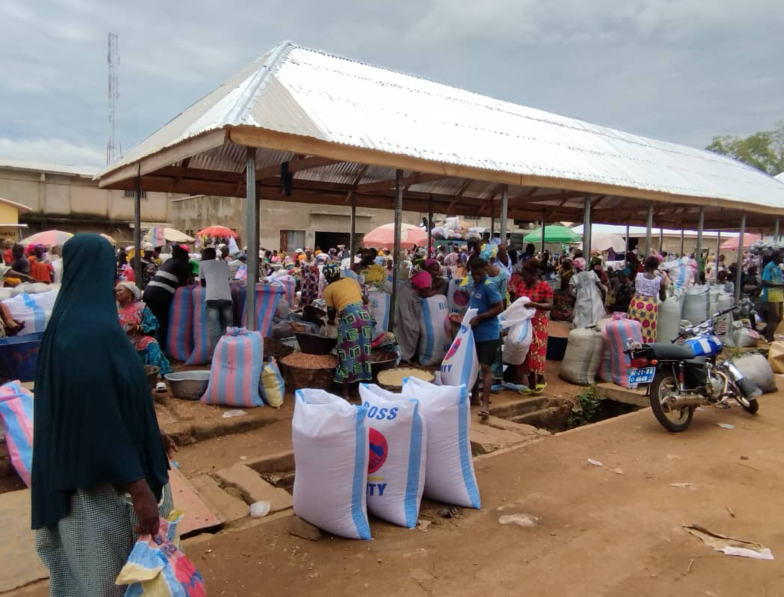
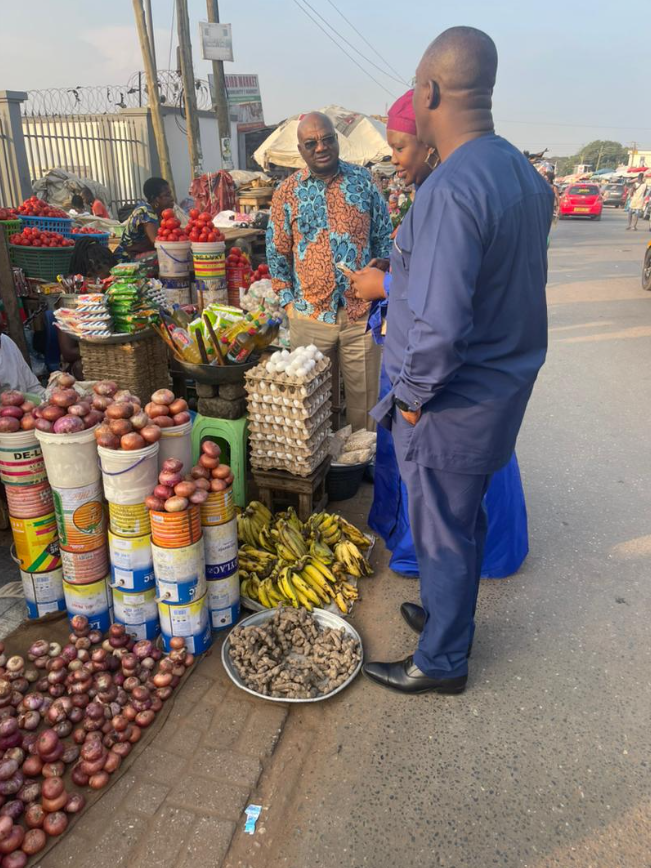
Products showcased at the fair included agro-processed foods, artisanal beverages, fashion and accessories,cosmetics and wellness items, and other value-added goods, demonstrating thediversity and potential of West African industries.
The ECOWAS Pavilion also received visits from eight (8) school groups foreducational briefings on the role of ECOWAS, as well as organised two (2) sidesevents in collaboration with UNDP and FEBWE.
ECOTIFE hosted a vibrant fashion Exhibition and Show celebrating West African creativity and cultural identity. The interactive exhibition,supported by the International Trade Centre (ITC), on ” THE COTTON ROAD – A Journey from Seed to Garment”, showcased the artisanal transformation of cotton, highlighting the craftsmanship behind each stage of textile production.
African Continental Free Trade Area
AfCFTA
About the African Continental Free Trade Area (AfCFTA)
In January 2012, The Assembly of Heads of State and Government of the African Union (AU) held its 18th Ordinary Session in Addis Ababa, Ethiopia, and adopted the decision for the establishment of an African Continental Free Trade Area (AfCFTA). It brings 55 African Countries , 1.2 billion combined population and a combined gross domestic product (GDP) exceeding US$3.4 trillion.
An Extra Ordinary Summit of the AU Assembly held on 21 March 2018, in Kigali, Rwanda, led to the signing of the framework Agreement establishing the AfCFTA and on 1 January 2021, trading commenced under the Agreement. A Guided Trade Initiative (GTI) was launched on 7 October 2022 in Accra, to help faciliate trade amongst State Parties that have met the necessary requirments. Seven States Parties (Ghana, Kenya, Rwanda, Tanzania, Mauritius, Egypt, and Cameroon) commenced pilot trading under the GTI which later grew to about 40 State Parties.
The AfCFTA is negotiated in the following three phases.
- Trade in Goods; Trade in Services; and Dispute Settlement
- Competition Policy; Intellectual Property Rights (IPR) and Investment
- Digital Trade and; Women and Youth
Objectives:
- Progressively liberalize the market for goods and services
- Create a single market for goods services and free movement of persons
- Mobility of Capital, natural persons and facilitation of investment
- Foundation of a continental customs union at a later stage
- Promotion of industrial development through diversification and regional value chain development, agricultural development and food security
- Resolving challenges of multiple and overlapping memberships as well as accelerating the regional and continental integration processes
Signatures and Ratifications
- 54 countries including all ECOWAS Member States and Mauritania have signed. Eritrea is the only country yet to sign
- 48 African Countries have ratified and deposited instruments of ratification as at March 2025, thus becoming State Parties
As at March 2026, all ECOWAS Member States have signed the Agreement and all except Benin have ratified the Agreement. In 2023, ECOWAS adopted the Regional Strategy for the implementation of the AfCFTA and has also established a Regional Commitee in November 2023 to guide the implementation of the strategy.
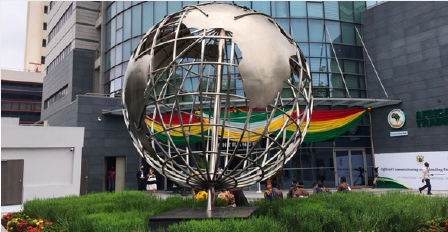
On 17 August, 2020, the AfCFTA Secretariat was officially commissioned in Accra, Ghana, and handed over to the Republic of Ghana.
Trade Map
Trade Platform
Trade Map
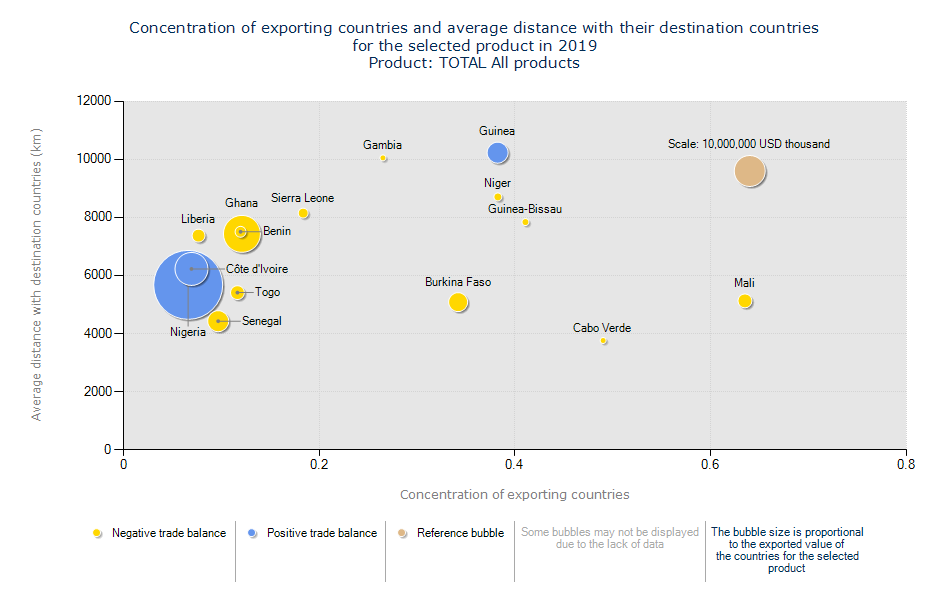
Trade Map provides – in the form of tables, graphs and maps – indicators on export performance, international demand, alternative markets, competing markets, as well as a directory of importing and exporting companies.Trade Map covers 220 countries and territories and 5,300 Harmonized System products.
Trade map further enhances fact-based trade decision making, policy formulation and facilitates market information research.
Trade Obstacle Alert Mechanism
TOAM
Trade Obstacle Alert Mechanism(TOAM)
Trade regulations and procedures represent a major source of obstacles to international trade and a particular challenge for small and medium-sized enterprises in the Economic Community of West African States (ECOWAS).
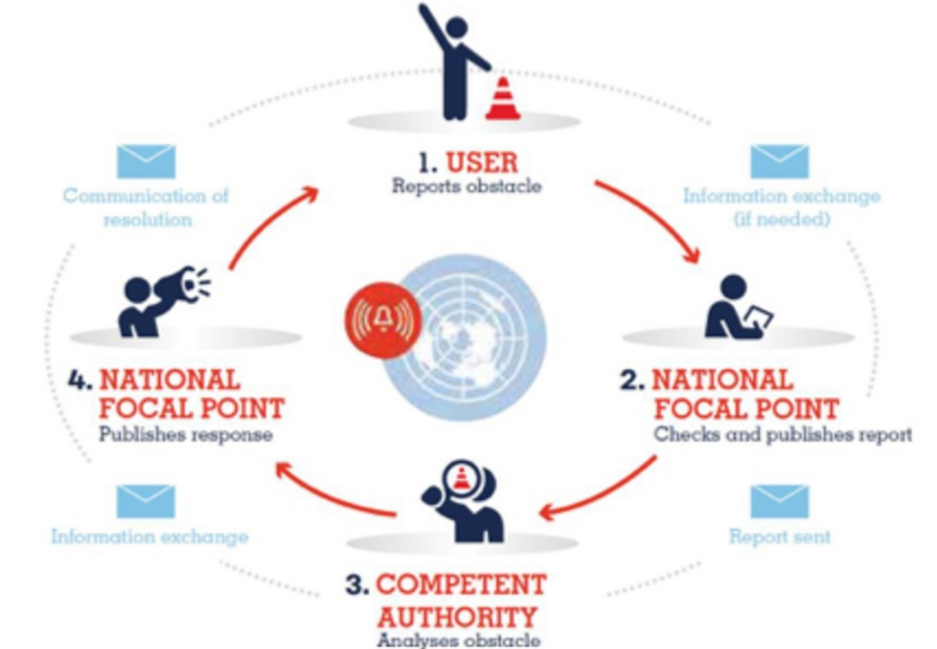
The overall objective of the Trade Obstacles Alert Mechanism (TOAM) is to facilitate the identification and removal of obstacles faced by traders in the region.
TOAM comprises
- An online platform: which allows commercial operators to connect with their respective national agencies in order to discuss the obstacles to trade encountered and proffer resolution towards the elimination of those obstacles. Regional authorities can thus monitor intra and extra-regional obstacles;
- An intra-regional network that ensures the cooperation of different countries for the identification and resolution of trade barriers in the ECOWAS region
The mechanism makes it possible for
- companies to report encountered challenges online thereby directly alerting responsible or relevant agencies;
- national and regional agencies to interact with businesses in order to resolve their problemseffectively; and for
- policy makers and trade support institutions to access an up-to-date information base on the obstacles faced by the private sector to inform formulation of appropriate policies to aimed aty removing the obstacles.
How the mechanism works
1. Report obstacles to trade encountered during the export orimport of products and services so that the competent authorities can take the necessary corrective measures;
2. Receive email alerts on obstacles encountered by operators for the products, services and markets of interest ;
3. Consult the registered obstacle reports and understand which are the main concerns of commercial operators in their respective country and obstacles to intra-regional trade.
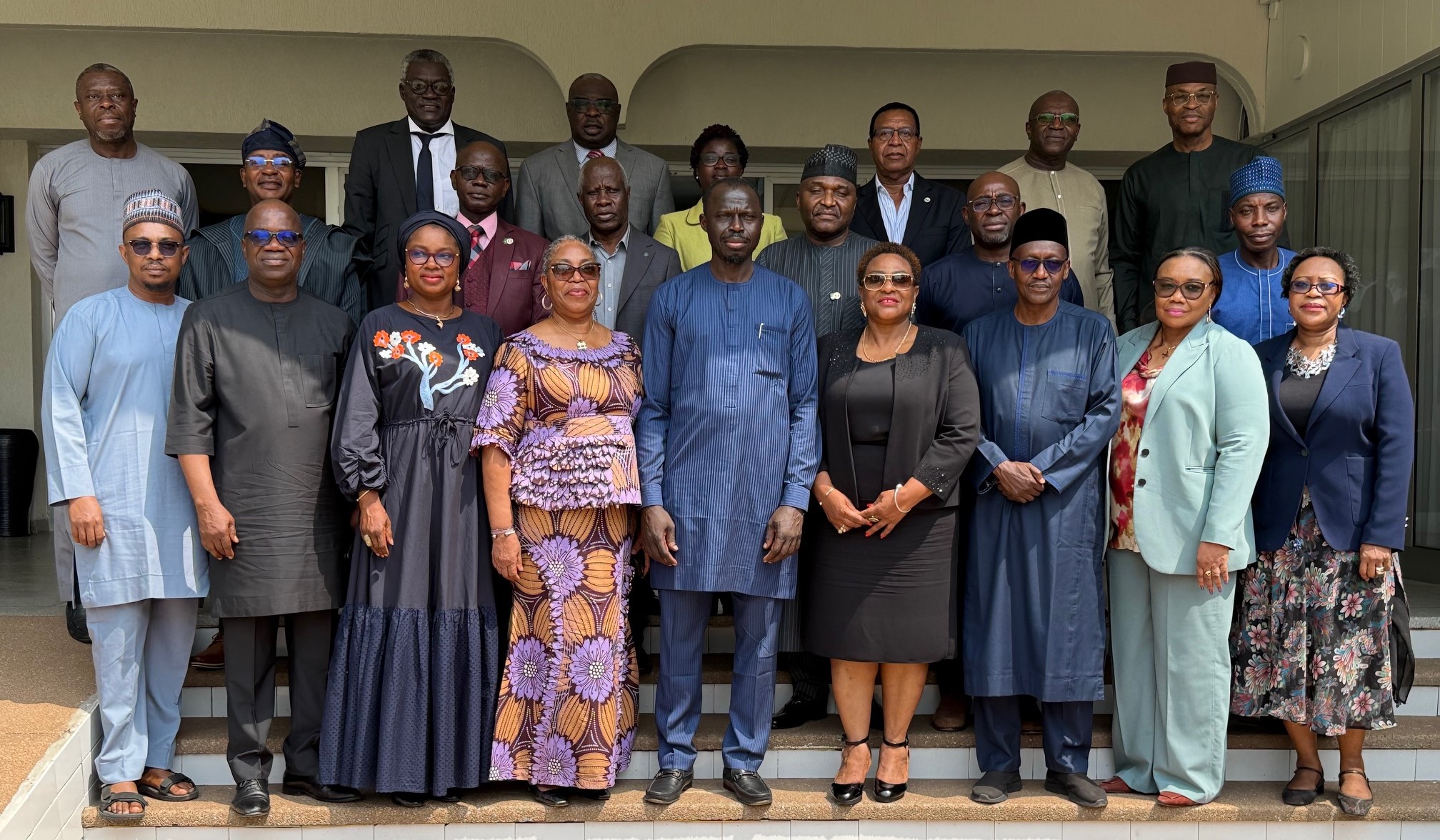
March 10, 2026
ECOWAS resident and permanent representatives review their achievements and outlook for the ECOWAS commission's 2022–2026 mandate
Read more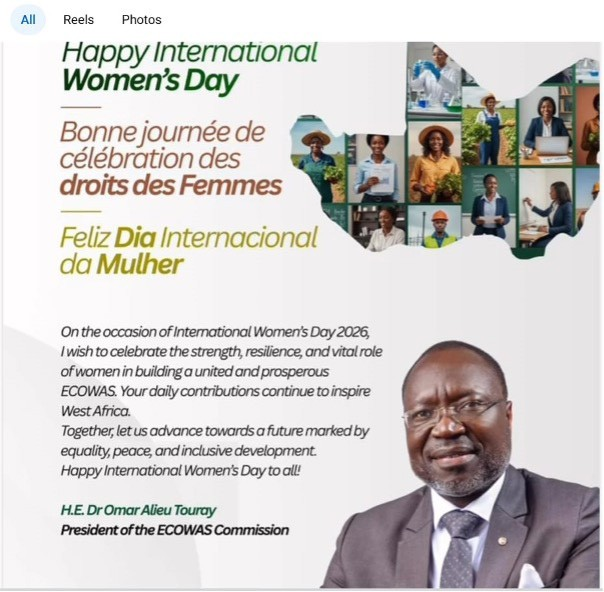
March 08, 2026
ECOWAS pays tribute to women's contribution on international women's day 2026
Read moreMore news...
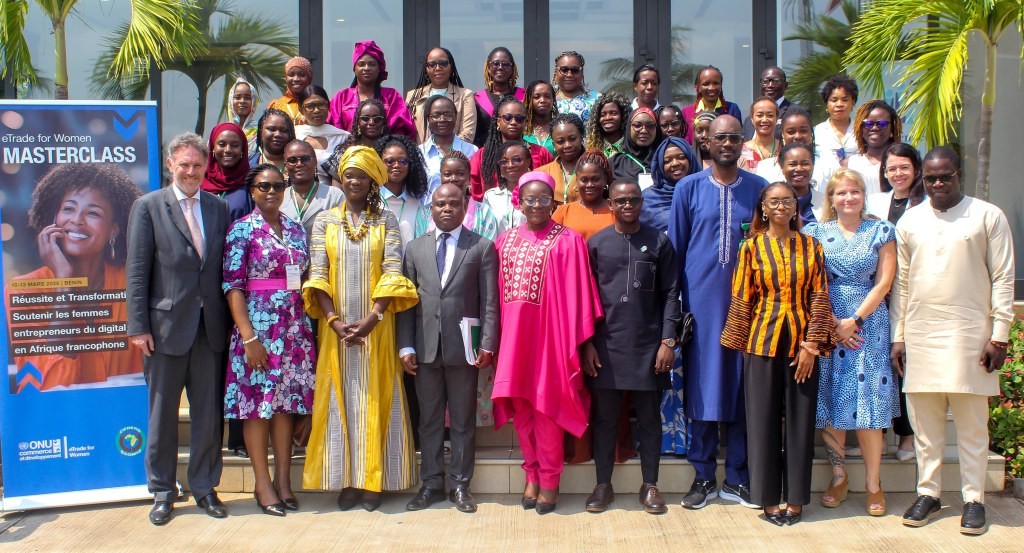
ECOWAS & UNCTAD Support Women Entrepreneurs to Leverage Digital Skills for Business Growth
March 13, 2026
Read more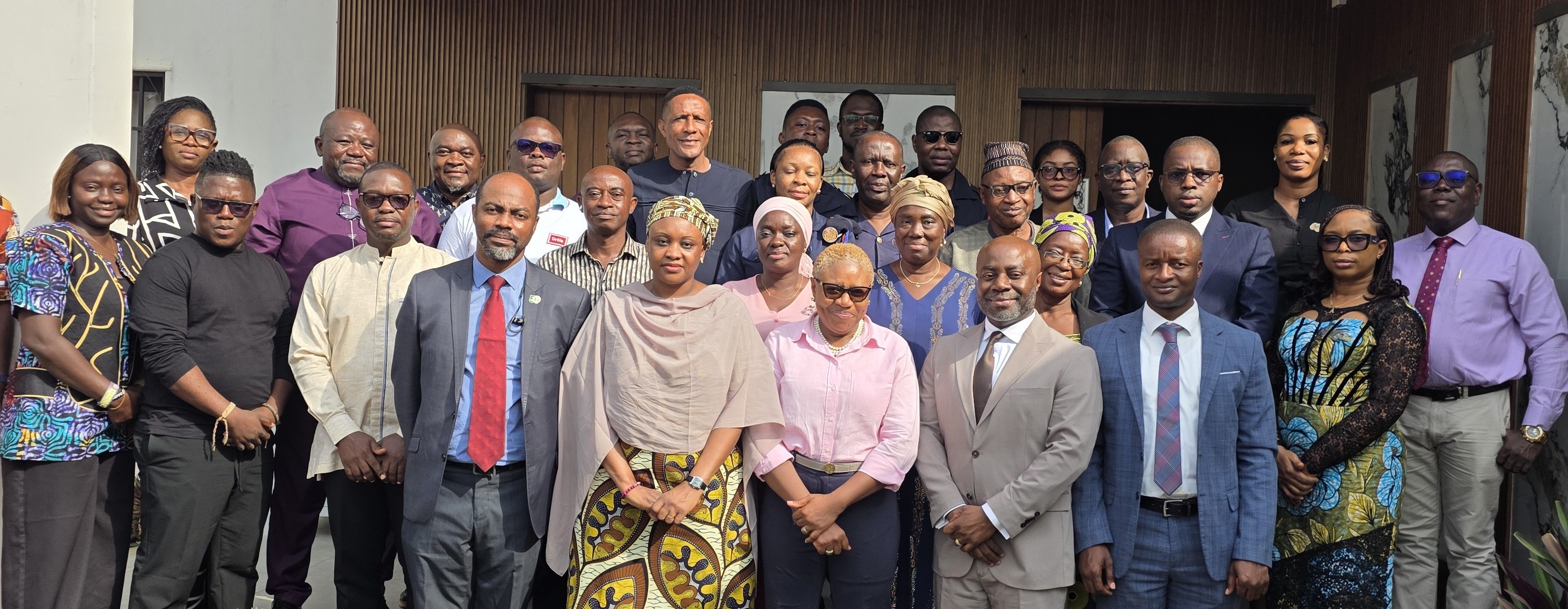
ECOWAS is Strengthening the Capacity of National Bodies Responsible for Cross-Border Trade and National Tax Administration in Sierra Leone
March 13, 2026
Read moreMore events...

0 +
Evolution of Intra-
regional trade
(Merchandise Export)
2023

0
Number of traders
empowered
2025

0
Rate of Trade Openness
2023

0
Export Diversification Index
2023