
ECOWAS-CET
The Common External Tariff is one of the principal instruments for harmonizing ECOWAS Member States and strengthening its Common Market. In order to establish an economic union, the community is to ensure, in stages, among other means, the establishment of a common market through “the adoption of a common external tariff and a common trade policy vis-à-vis third countries…” To this end, the ECOWAS Authority of Heads of State and Government established an ECOWAS Customs necessitating the formulation of a common external tariff with a common nomenclature so that customs procedures are transparent, readily followed and delays at borders decreased, is a key stone in achieving this union. In January 2006 in Niamey, The Authority of Heads of State and Government of ECOWAS adopted a decision establishing the ECOWAS-CET which draws on the basic UEMOA CET composed of four tariff bands, or rates of customs duty.
Common External Tariff (CET) is a key feature of a Customs Union. CET is the application of the same customs duties, import quotas and preferences by a group of countries in a customs union. The said import duties, quotas and preferences are applicable to good entering the region of the customs union irrespective of the country of first entry of the goods.
The ECOWAS Tariff and Statistics Nomenclature is a Common customs nomenclature based on the harmonized system of description and coding of goods (HS) adopted by the Community. It is a 10-digit Tariff and Statistical Nomenclature defining the list of goods making up the Tariff and Statistics Nomenclature categories of the CET.
Below is a table depicting the four tariff bands:
| Categories | Percentage of Duties | Goods Description |
| 0 | 0% | Essential social goods. |
| 1 | 5% | Goods of primary necessity, raw materials and specific inputs. |
| 2 | 10% | Intermediate goods. |
| 3 | 20% | Final Consumption goods. |
The ECOWAS tariff nomenclature has been migrated from 2007 to the 2012 version (HS2012) introduced by the World Customs Organization (WCO).
On 25th October 2013, ECOWAS Member States adopted the ECOWAS Common External Tariff with the 5-tariff band structure below:
| Categories | Percentage of Duties | Goods Description |
| 0 | 0% | Essential social goods. |
| 1 | 5% | Goods of primary necessity, raw goods and Capital Goods. |
| 2 | 10% | Intermediate goods and inputs |
| 3 | 20% | Final Consumption goods or finished goods |
| 4 | 35% | Specific Goods for Economic Development |
The Common External Tariff is one of the principal instruments for harmonizing ECOWAS Member States and strengthening its Common Market. In order to establish an economic union, the community is to ensure, in stages, among other means, the establishment of a common market through “the adoption of a common external tariff and a common trade policy vis-à-vis third countries…”
The ECOWAS Customs Code provides the legal and operational framework governing customs procedures within the Economic Community of West African States (ECOWAS). It establishes common rules and principles to guide the movement of goods across the region, promote the harmonisation of customs practices, and support the implementation of the ECOWAS Customs Union.
Addressing non-tariff barriers is an important component of trade facilitation and regional integration. Enhancing transparency, harmonising regulations, and improving cooperation among border agencies help reduce unnecessary obstacles while ensuring that legitimate regulatory objectives continue to be met. Non-Tariff Barriers (NTBs) unnecessarily restrict trade and may arise from burdensome administrative procedures, unnecessary documentation requirements, delays at border crossings, discriminatory practices, or inconsistent application of regulations. Such barriers can increase the time and cost of trade, particularly for small and medium-sized enterprises (SMEs).
“Rules of origin” are the criteria used to define where a product was made. They are an essential part of trade rules because a number of policies discriminate between exporting countries: quotas, preferential tariffs, anti-dumping actions, countervailing duty (charged to counter export subsidies), and more. Learn more below
Sanitary and Phytosanitary (SPS) measures are laws, regulations, standards, and procedures adopted by governments to protect human, animal, and plant life and health from risks associated with food safety, pests, diseases, and contaminants.
The Technical Barriers to Trade (TBT) Agreement aims to ensure that technical regulations, standards, and conformity assessment procedures are non-discriminatory and do not create unnecessary obstacles to trade. Learn more below
Events
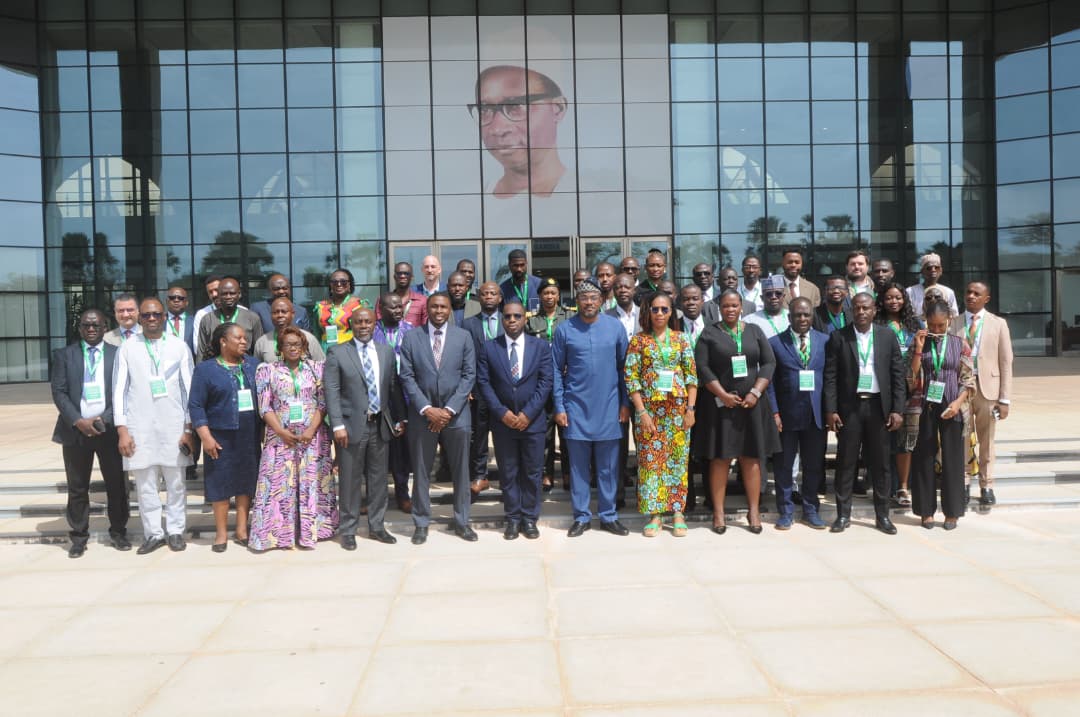
7th Regional Trade Facilitation Committee
THE ECOWAS REGIONAL TRADE FACILITATION MEETS TO EXAMINE THE STATUS OF IMPLEMENTATION OF TRADE FACILITATION REFORMS AND ACCELRATE THE ELIMINATION OF NON-TARIFF BARRIERS
The ECOWAS Commission organized the 7th Meeting of the ECOWAS Regional Trade Facilitation Committee (RTFC) in Banjul, The Gambia from 15th to 17th June 2026. The objective of the meeting was to strengthen regional coordination and advance the implementation of trade facilitation reforms in ECOWAS by enhancing border management, addressing non-tariff barriers, and promoting digitalization of cross-border trade.
In his remarks on behalf of the Minister of Trade, Industry, Regional Integration and Employment of the Gambia, Mr Lamin CAMARA, Permanent Secretary, welcomed delegates to the 7th Meeting of the RTFC in Banjul and expressed appreciation to the ECOWAS Commission for selecting The Gambia to host the Meeting. He underscored that trade facilitation remains central to the ECOWAS integration agenda and highlighted the importance of reducing the cost and time associated with cross-border trade.
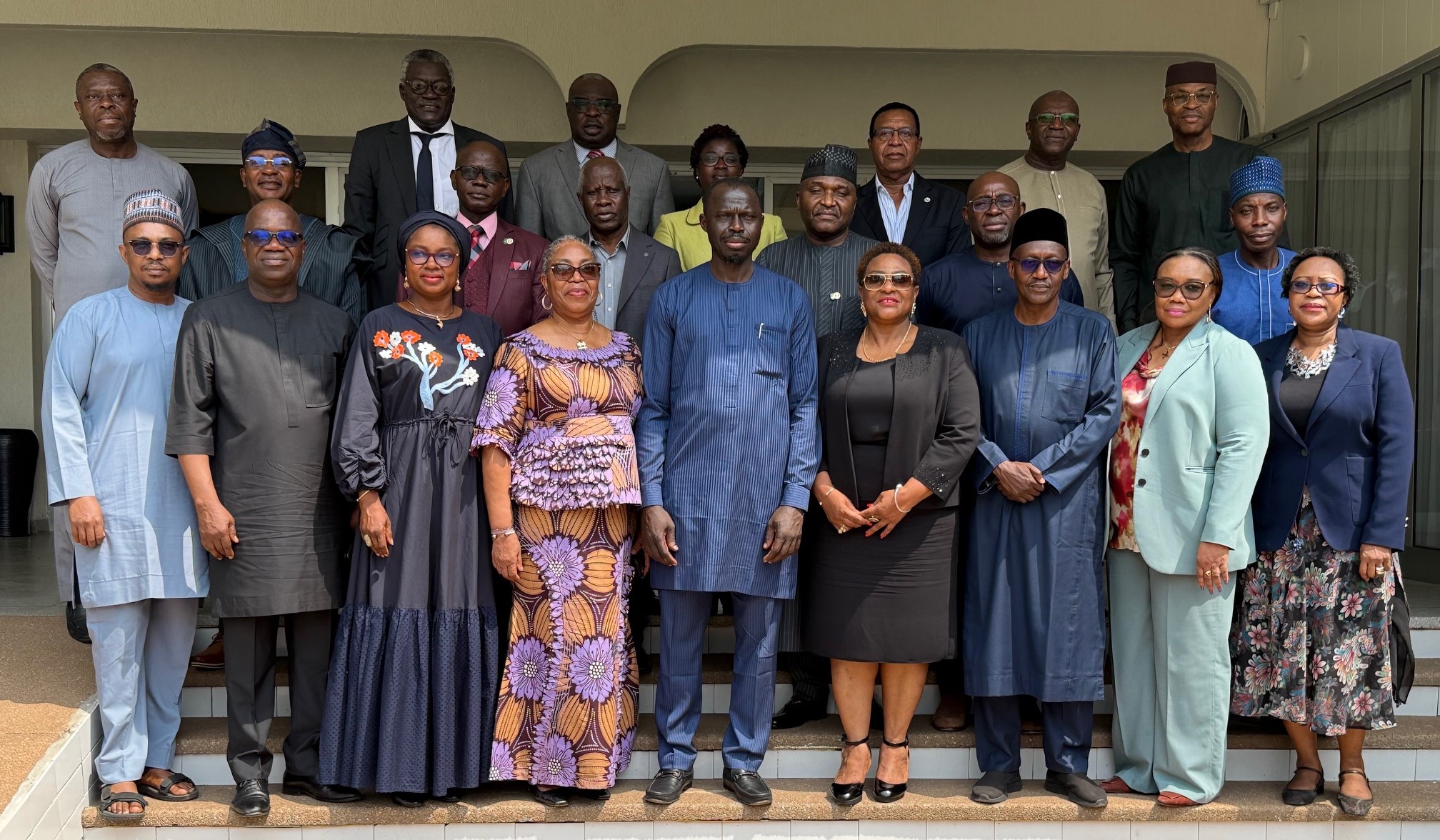
ECOWAS resident and permanent representatives review their achievements and outlook for the ECOWAS commission's 2022–2026 mandate
ECOWAS Resident and Permanent Representatives, together with members of the Cabinet of the President of the ECOWAS Commission, are meeting in Lomé, Togo, from 9 to 13 March 2026 for a strategic retreat to review achievements and discuss future perspectives regarding their contributions to the implementation of the Commission’s 2022–2026 mandate.The retreat, which also brings together several outgoing representatives, provides an opportunity for dialogue and the exchange of experience between former and newly appointed ECOWAS Resident and Permanent Representatives serving across Member States.
As the primary interface between the ECOWAS Commission and Member States, ECOWAS Resident and Permanent Representations serve as key diplomatic, political and coordination mechanisms tasked with advancing the regional integration agenda. Recent political and institutional crises in some countries have nevertheless highlighted a number of constraints affecting the effectiveness of these representations. Key challenges include coordination difficulties, institutional ambiguities, limited communication and decision-making channels, and insufficient participation in early warning and crisis management mechanisms.
With the current mandate of the ECOWAS Commission set to conclude in July 2026, the retreat offers a strategic opportunity to review the achievements of the Resident and Permanent Representations since 2022, particularly in relation to the “4×4” strategic objectives covering peace, security, integration, governance and sustainable development, in line with the Community’s Vision 2050.
The retreat therefore serves as a platform for assessment, learning and strategic repositioning. Participants will conduct a comprehensive review of achievements, challenges and lessons learned from recent crises, while formulating recommendations aimed at strengthening the effectiveness and positioning of ECOWAS representations under the forthcoming mandate of the Commission. The discussions will also contribute to shaping inputs towards the Summit of the Future.
In her welcome remarks, H.E. Ms Dewey Emily Gray, ECOWAS Resident Representative in the Republic of Togo, emphasised the significance of convening the retreat at this particular moment for the Community. “Just a few months before the completion of the mandate of the current leadership of the Commission, this meeting provides a valuable opportunity to pause, collectively assess the progress made since 2022, and reflect on the perspectives that will further strengthen the effectiveness of our representations,” she stated.
Officially opening the retreat on behalf of H.E. Dr Omar Alieu Touray, President of the ECOWAS Commission, the Chief of Staff, Mr Abdou Kolley, underscored the central role played by the Resident and Permanent Representations since the beginning of the Commission’s current mandate. “You are the voice, the presence and the operational instrument through which ECOWAS engages on the ground to sustain partnerships, promote its regional priorities and strengthen the essential dialogue between the Commission and its Member States,” he noted. “This retreat therefore holds particular importance. It is not merely an evaluation exercise, but a strategic moment for recalibration,” Mr Abdou KOLLEY reminded the participants.
Operating under ECOWAS mandates (A/DEC.9/03/14, A/DEC.12/01/03 and C/REG.25/12/13), the representations support the Commission through coordination, advocacy, monitoring, awareness-raising and diplomatic engagement. In 2025, their efforts intensified through dialogue and visibility initiatives that supported the Golden Jubilee celebrations of ECOWAS, thereby reinforcing the Community’s institutional presence across Member States.
Read more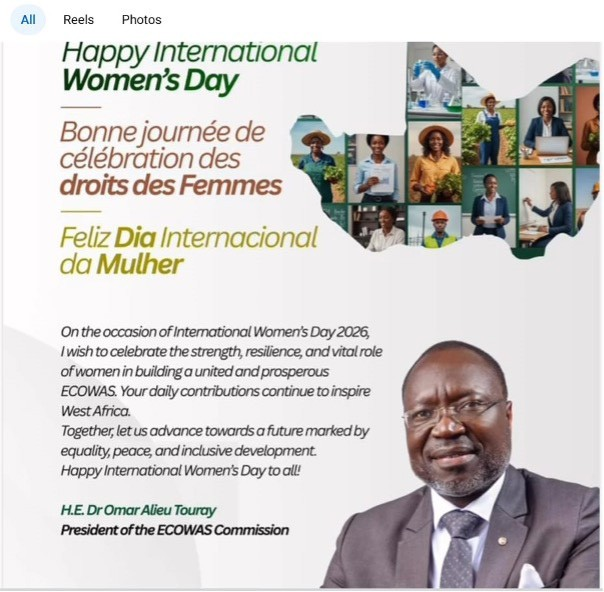
ECOWAS pays tribute to women's contribution on international women's day 2026
ECOWAS PAYS TRIBUTE TO WOMEN’S CONTRIBUTIONS ON INTERNATIONAL WOMEN’S DAY 2026
The Commission of the Economic Community of West African States (ECOWAS) has joined the international community in celebrating International Women’s Day 2026, paying tribute to the strength, resilience and invaluable contributions of women to the advancement of peace, unity and development across West Africa.
The ECOWAS leadership commended women across the region for their vital role in building stronger societies and advancing the vision of a united and prosperous West Africa. The statement emphasized that women remain central to the region’s social, economic and political transformation.
“On the occasion of International Women’s Day 2026, I wish to celebrate the strength, resilience and vital role of women in building a united and prosperous ECOWAS. Your daily contributions continue to inspire West Africa,” the message stated.
The statement further highlighted that women’s leadership, innovation and dedication continue to drive progress in communities, institutions and economies throughout ECOWAS Member States. It also acknowledged the critical role women play in promoting peace, strengthening democratic governance and fostering inclusive development.
ECOWAS reaffirmed its commitment to advancing gender equality and empowering women and girls across the region through policies, programmes and partnerships aimed at promoting equal opportunities and participation in all sectors of society.
The organization called on governments, civil society organizations, development partners and citizens across the region to intensify efforts to remove barriers that hinder women’s full participation in economic and political life.
“As we commemorate this important day, let us collectively advance towards a future marked by equality, peace and inclusive development for all,” the message concluded.
Happy International Women’s Day.
Read more